Department of Conservative Dentistry and Endodontics
The Department of Conservative Dentistry and Endodontics focuses on preserving natural teeth and restoring them to optimal function and aesthetics. It encompasses both restorative dentistry, which deals with treating tooth decay and damage, and Endodontics, which focuses on the treatment of the tooth's pulp (nerve and blood supply) and surrounding tissues.
This department aims to:
Preserve natural teeth by treating and preventing damage and disease, restore the tooth function through restorative and endodontic procedures.
Improve esthetics by providing cosmetic treatments and restoring natural smiles. Provide comprehensive care by treating a wide range of dental issues, from simple fillings to complex root canal procedures.
The treatment procedures includes fillings, crowns, veneers, cosmetic and aesthetic treatments like teeth whitening and smile design and other restorative procedures.
Root canal treatment (removal of the pulp and filling of the root canal), endodontic surgery (periapical surgery), and retreatment of failed root canals. Treatment of pulpal and periapical diseases, dental pain management, and procedures to prevent and resolve issues related to the tooth's nerve.
The UG curriculum for Conservative Dentistry, typically part of a Bachelor of Dental Surgery (BDS) program, includes a blend of theoretical lectures, practical exercises, and clinical postings. It emphasizes understanding dental materials, caries management, restorative techniques, and root canal treatments. The goal is to equip students with the skills to diagnose and manage various dental conditions, including filling cavities, performing root canal treatments, and restoring teeth with composite materials.
Key Components of the UG Curriculum:
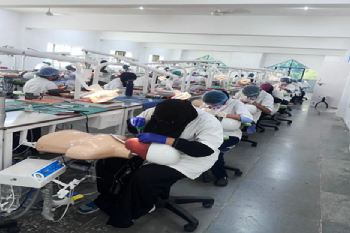
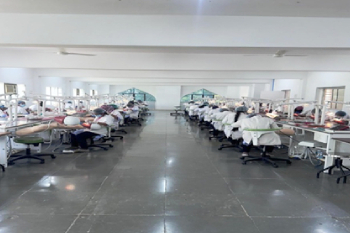
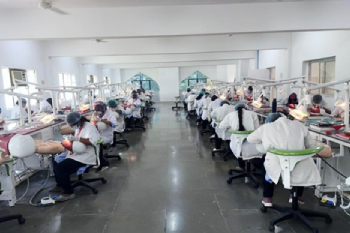
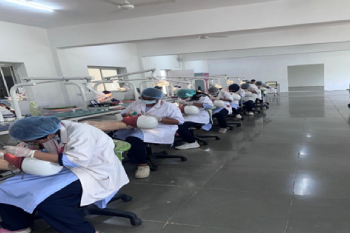
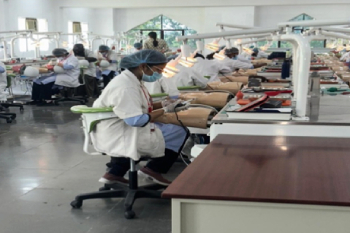
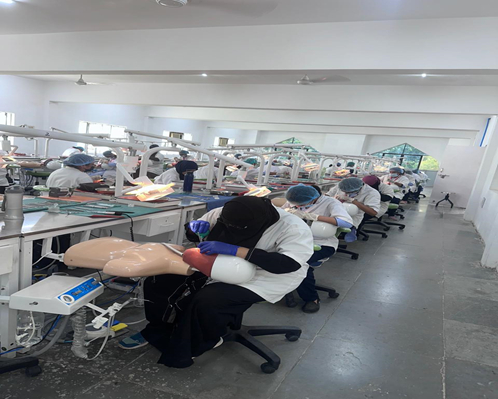
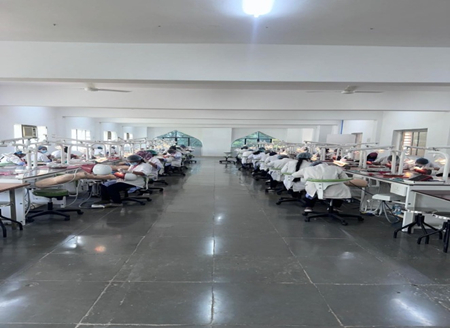
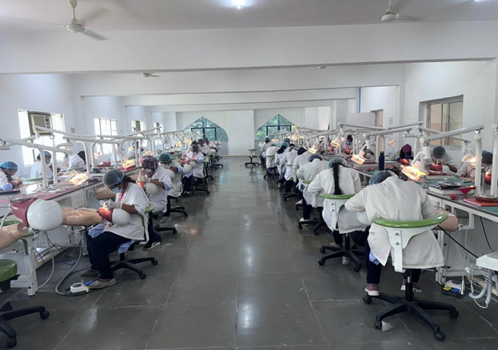
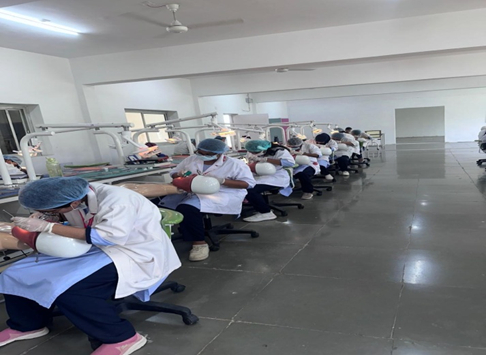
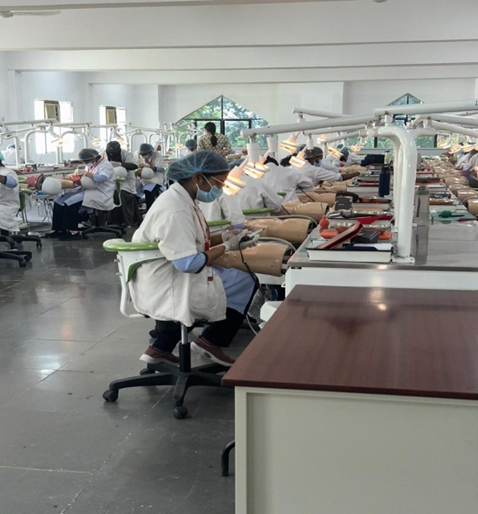
Pre-clinical Conservative Dentistry : This section involves hands-on practice on extracted teeth and typhodont teeth to learn cavity preparation, restoration techniques, and basic instrumentation.
Dental Materials : Students learn about the properties, selection, and handling of various dental materials used in restorative dentistry, including amalgam, composite resins, and dental cements.
Clinical Postings : Students gain practical experience by treating patients under supervision, including managing various types of dental conditions and performing procedures like amalgam restorations, composite restorations, and root canal treatments.
Theory and Lectures : The curriculum includes lectures covering the scientific principles behind conservative dentistry, such as tooth anatomy, the etiology and management of caries, and the principles of restorative dentistry.
Internship : Internships provide further clinical experience and opportunities to handle a wider range of cases, including managing more complex situations and learning about specialized treatments.